

Distribution Transformer Guide
A distribution transformer is an important component of electrical power systems. Its primary function is to step down the voltage from the transmission level to the distribution level, making it suitable for use by homes and businesses. The distribution transformer is installed near the consumer site, often on a pole or on the ground, to provide the final step-down in voltage before it enters the building.
These transformers come in various sizes and power capacities, ranging from a few kVA to several MVA. The selection of the transformer is dependent on the load demand and the voltage levels required by the consumer. They are also designed to withstand the harsh outdoor environment and provide reliable operation over a long period of time.
The distribution transformer comprises several key components, including the core, windings, tank, and insulation system. The core is made of high-grade silicon steel laminations which reduce the core losses and provide efficient performance. The windings consist of copper or aluminum wire wrapped around the core, which receives and delivers the electrical power to the consumer. The transformer tank is made of sheet steel and provides protection to the core and windings. The insulation system provides insulation between the windings and the tank to prevent electrical discharge and ensure safe operation.
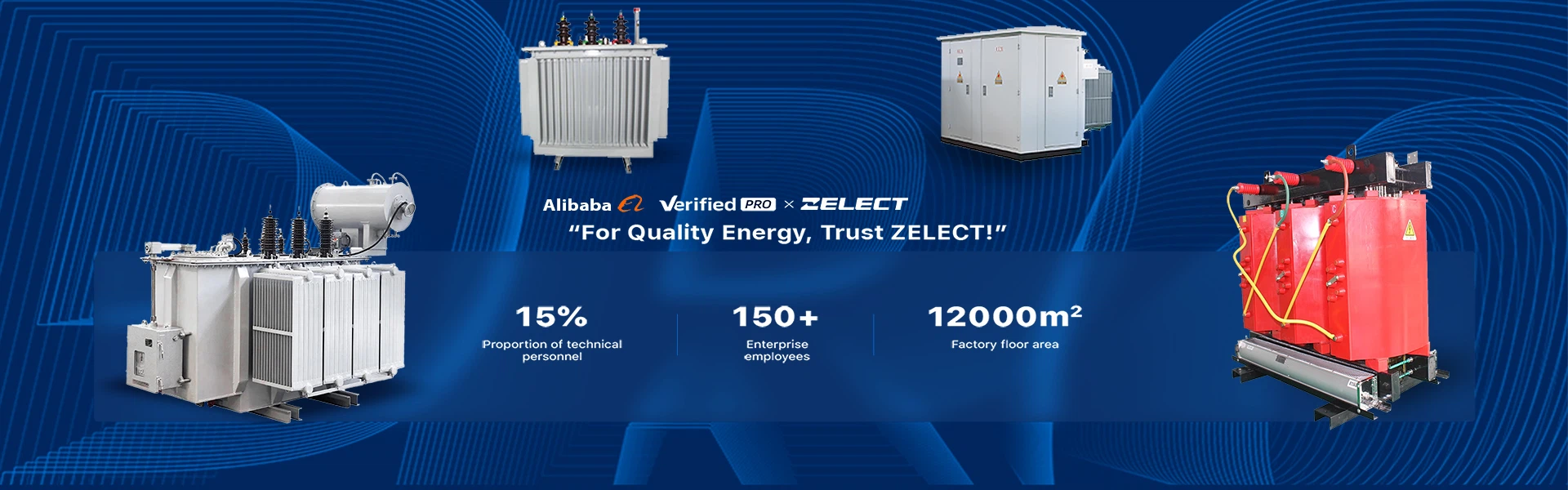
In addition, distribution transformers can be further classified into several types based on their design and application. The pole-mounted transformer is mounted on a pole or cross-arm and is mainly used for low voltage distribution. Pad-mounted transformers, on the other hand, are placed on a concrete pad and are suitable for urban areas where space is limited. Substation transformers are designed for high voltage distribution and are installed in outdoor and indoor substations. Finally, the cast resin transformer is used where high-performance and safety standards are required.
In conclusion, distribution transformers play a crucial role in delivering electrical power to consumers. They are designed with durability and reliability in mind, and are made up of several key components that ensure safe and efficient operation. With different types of transformers available, each with their own unique design and application, it is important to choose the right one for the specific application to ensure optimal performance and safety.


