

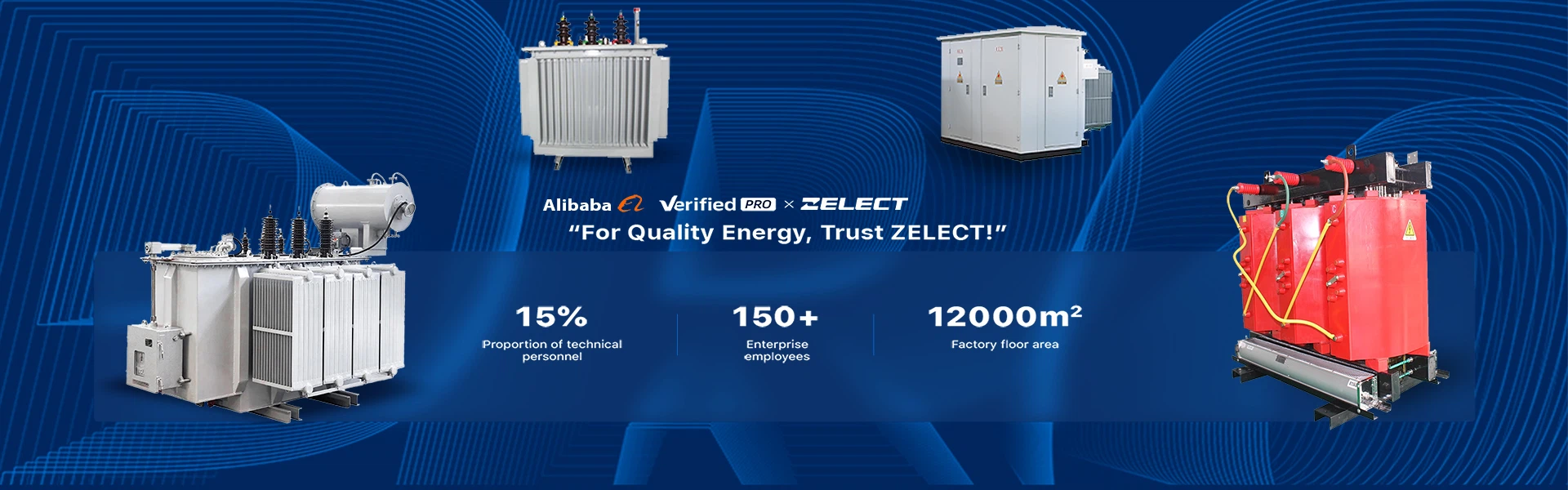
Distribution Transformer Failure
Distribution transformers play an important role in the electrical distribution system. They step down the voltage from the transmission level to the distribution level, thereby providing power to homes, businesses and industries. However, transformer failures can cause power outages and bring significant inconvenience and financial losses. This article aims to discuss the common causes of distribution transformer failure.
Overloading: Overloading is one of the leading causes of distribution transformer failures. When the load on the transformer exceeds the rated capacity, it produces excessive heat that can cause insulation breakdown and damage to the transformer windings. This can lead to failures such as explosions and fire outbreaks.
Ageing: Distribution transformers have a finite lifespan, and as they grow older, the risk of failures increases. The insulation material used in transformers can deteriorate over time due to factors such as high temperatures, moisture, and chemical exposure. This can lead to problems such as short circuits, arcing, and insulation failure.
Environmental factors: Transformers located in harsh environments, such as areas with high humidity, salt air, and high altitude, are susceptible to failure due to environmental factors. Moisture can penetrate the transformer, leading to reduced insulation resistance, short circuits, and corrosion of electrical connections.
Lightning strikes and surges: Transformers are also vulnerable to lightning strikes and surges caused by power surges and voltage spikes. These events can cause high levels of current flow, leading to insulation breakdown and winding damage.
Poor maintenance: Lack of proper maintenance is a significant contributor to transformer failures. Aging and environmental factors can cause insulation damage, which can be worsened by improper maintenance practices such as poor cleaning, lack of oil testing, and poor cooling systems.
In conclusion, distribution transformer failures impact the livelihoods of individuals, businesses, and entire communities. The causes of transformer failure have been identified as overloading, ageing, environmental factors, lightning strikes and power surges, and poor maintenance. To ensure optimal transformer performance and prevent transformer failures, regular maintenance and good installation practices are essential.


